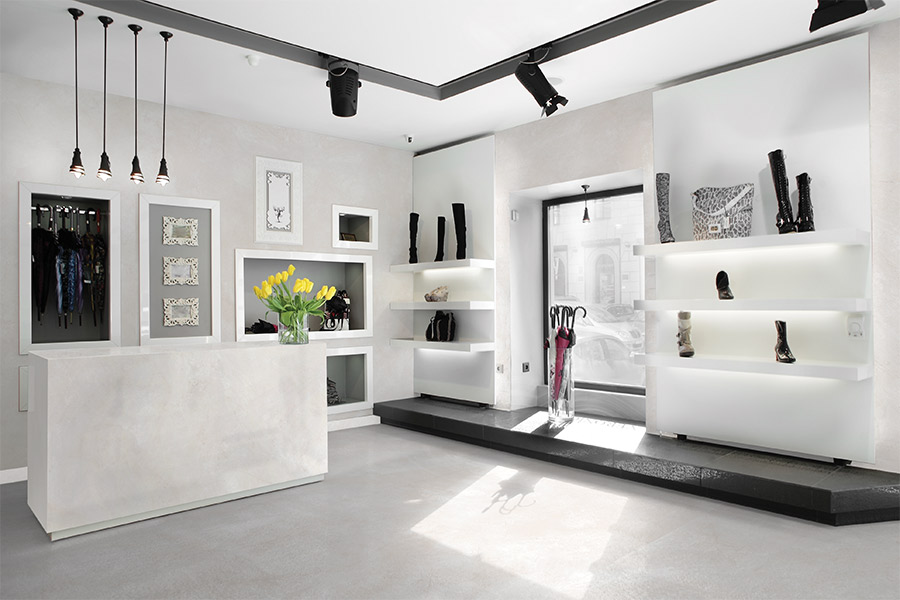
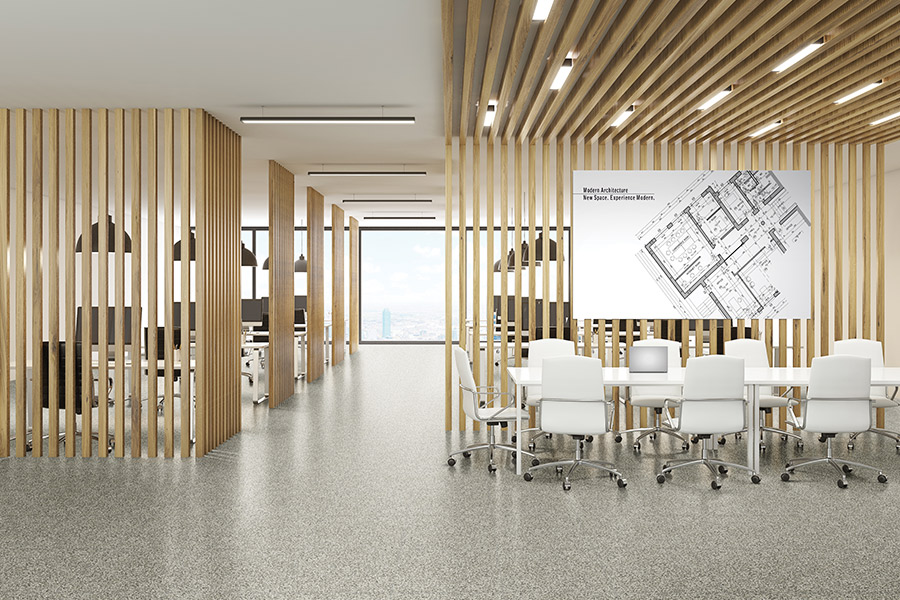
Tile flooring combines beauty and durability
Tile flooring brings together durability, easy care, and almost endless design possibilities. Tile can create a clean foundation for a kitchen, add character to a bathroom, or turn a simple backsplash into a focal point. With so many materials, colors, sizes, shapes, and finishes available, there is tile for nearly every style.
At our tile stores in Folsom, CA and Roseville, CA, we bring more than 40 years of remodeling experience to projects throughout Folsom, Granite Bay, Roseville, and El Dorado Hills, CA. From selecting tile to coordinating your finished space, our designers, project managers, craftspeople, and installers work together to bring your ideas to life.
The benefits of tile flooring
Tile flooring is a practical choice for homes and commercial spaces. Depending on the product and application, benefits include:
- Durability: Quality tile flooring can withstand years of everyday activity when properly installed and maintained.
- Easy care: Regular sweeping and occasional mopping make routine maintenance simple.
- Moisture resistance: Ceramic and porcelain tile are popular for kitchens, bathrooms, and other moisture-prone spaces.
- Design variety: Choose from countless colors, patterns, textures, sizes, shapes, and finishes.
- Versatility: Tile can cover floors, walls, backsplashes, showers, and many other surfaces.
- Timeless style: Tile works beautifully with traditional, modern, rustic, and contemporary designs.
Request an estimate
Which tile material should you choose?
Tile material affects appearance, performance, maintenance, and where the product can be
installed.
- Ceramic tile is made from clay that is shaped and fired at high temperatures. It comes in a huge range of colors, patterns, and finishes, and can be used for many interior floors and walls.
- Porcelain tile is a denser type of ceramic with low water absorption. Its durability makes it popular for kitchens, bathrooms, showers, entryways, and other high-use areas.
- Glass tile adds shine, depth, and color. It is often used for backsplashes, shower accents, niches, borders, and decorative walls rather than general flooring.
- Metal tile offers a distinctive contemporary look. Metal finishes can add contrast to kitchen backsplashes, borders, and other decorative features.
How does tile size affect your space?
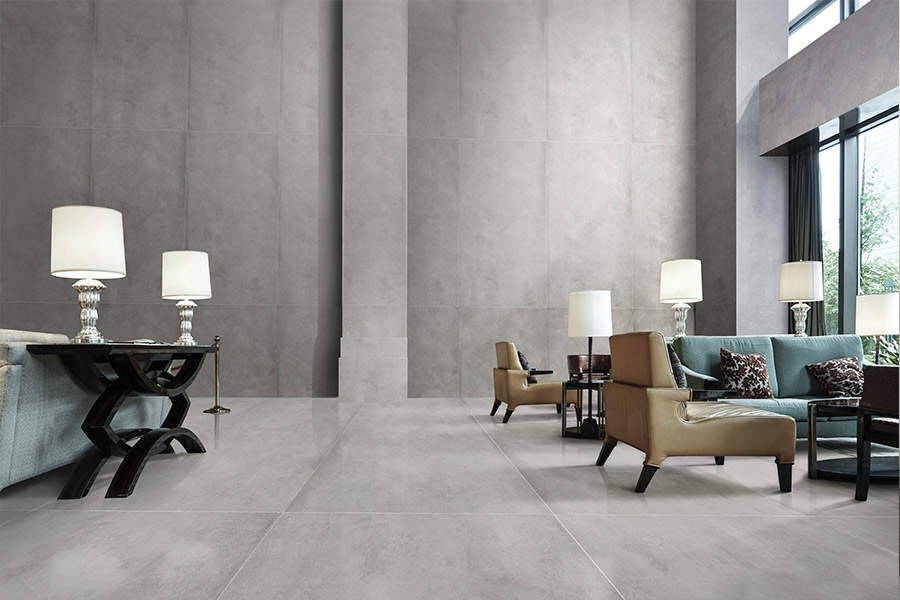
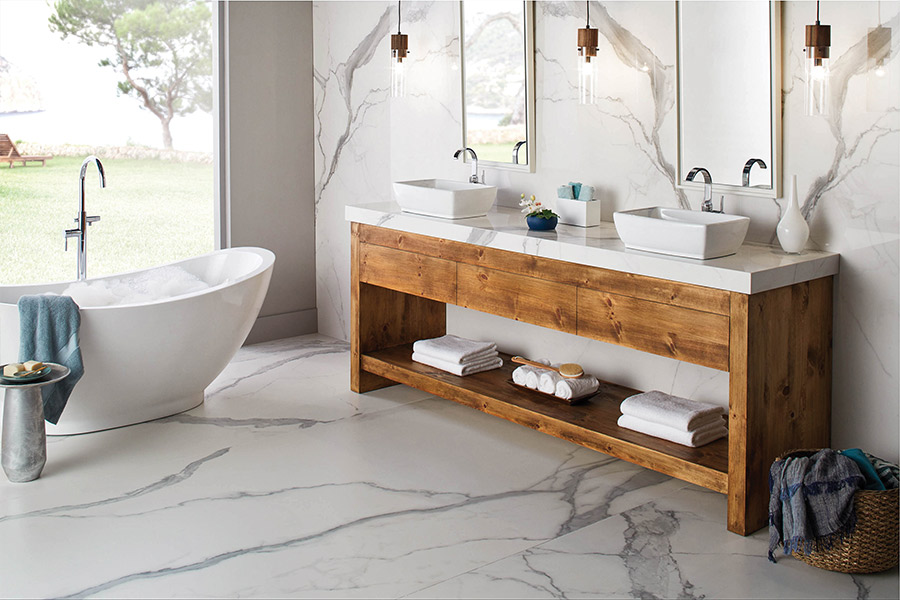
Tile size has a major influence on the finished design. Large-format tiles can make surfaces feel clean and streamlined because they create fewer grout lines. They work well in bathrooms, kitchens, open living spaces, and showers.
Small tiles offer more opportunity for detail. Mosaics are especially popular for shower floors, backsplashes, niches, and decorative accents.
The right size depends on the dimensions of the area, layout, tile material, and overall look you want.
What tile shapes are available?
Square and rectangular tiles are classics, but there are plenty of other choices. Hexagons, penny rounds, diamonds, arabesques, and geometric shapes can give a room extra personality.
Plank tiles can recreate the long lines of hardwood, while subway tiles remain a favorite for kitchens and bathrooms. Shapes can also be combined to create patterns, borders, or focal points.
How do you choose a tile color?
Start by considering the mood you want to create. White, cream, beige, and light gray provide a neutral foundation and can make rooms feel brighter. Dark gray, brown, and black create more
contrast and drama.
Want something bolder? Blue, green, terracotta, and patterned tiles can bring personality to backsplashes, showers, and accent areas.
Consider nearby cabinets, countertops, paint colors, and flooring when selecting tile. Coordinating these elements helps the entire room feel intentional.
Which tile finish is best?
Glossy tile reflects light and creates a polished appearance, making it especially popular for backsplashes and decorative walls. Matte tile has a softer, understated appearance that fits many contemporary spaces.
Textured and slip-resistant finishes can provide additional traction for certain flooring applications. Your installation area, moisture exposure, maintenance needs, and preferred style should guide your choice.
Where can tile be installed?
Tile goes far beyond flooring. Depending on the product and its manufacturer ratings, it can be used for:
- Kitchen, bathroom, entryway, and other living spaces
- Kitchen backsplashes
- Shower floors and walls
- Bathroom accent walls
- Fireplace surrounds
- Decorative niches and borders
- Feature walls
- Approved outdoor areas
Not every tile is suitable for every location. Shower floors, exterior areas, and other specialized applications have different performance requirements. Choosing a tile designed for the specific space is essential.
Tile flooring maintenance tips
Tile flooring is generally easy to maintain. Sweep or vacuum regularly to remove dust, dirt, and grit. Mop periodically using a cleaner recommended for your particular tile.
Clean spills promptly and pay attention to grout lines, where dirt can accumulate. Avoid abrasive tools and harsh cleaners unless approved by the manufacturer. Some grout products may also require periodic sealing for added protection against stains and moisture.
Always check the manufacturer's care instructions. Ceramic, porcelain, glass, and metal tiles can have different cleaning requirements.

Contact us for tiles in Folsom, CA and Roseville, CA
The right tile can transform floors, kitchens, bathrooms, showers, and walls while giving your space lasting style. Designing Dreams Flooring & Remodeling provides a single point of contact throughout your project, helping make remodeling more coordinated from tile flooring design through installation. Get in touch with our tile store today!
Request an estimateFeatured Tile
Tile flooring FAQs
Not necessarily. Porcelain tile is dense and has low water absorption, making it useful for many demanding applications. Ceramic tile offers extensive design choices and works well in many interior spaces. Your tile installation area and project needs should determine which is best.
Yes. Many tiles are suitable for shower floors and walls. Proper waterproofing, setting materials, grout, and installation methods are also essential for a successful shower tile installation.
Yes, they can be. Large-format tiles create fewer grout lines, which may give a smaller room a cleaner, more open appearance. The layout should be carefully planned for the space.
Some tile can be used outdoors, but the product must be rated for exterior conditions. Climate, water absorption, traction, and installation requirements should all be considered.
Reimagine your space
Get inspired with our beautiful flooring galleries