

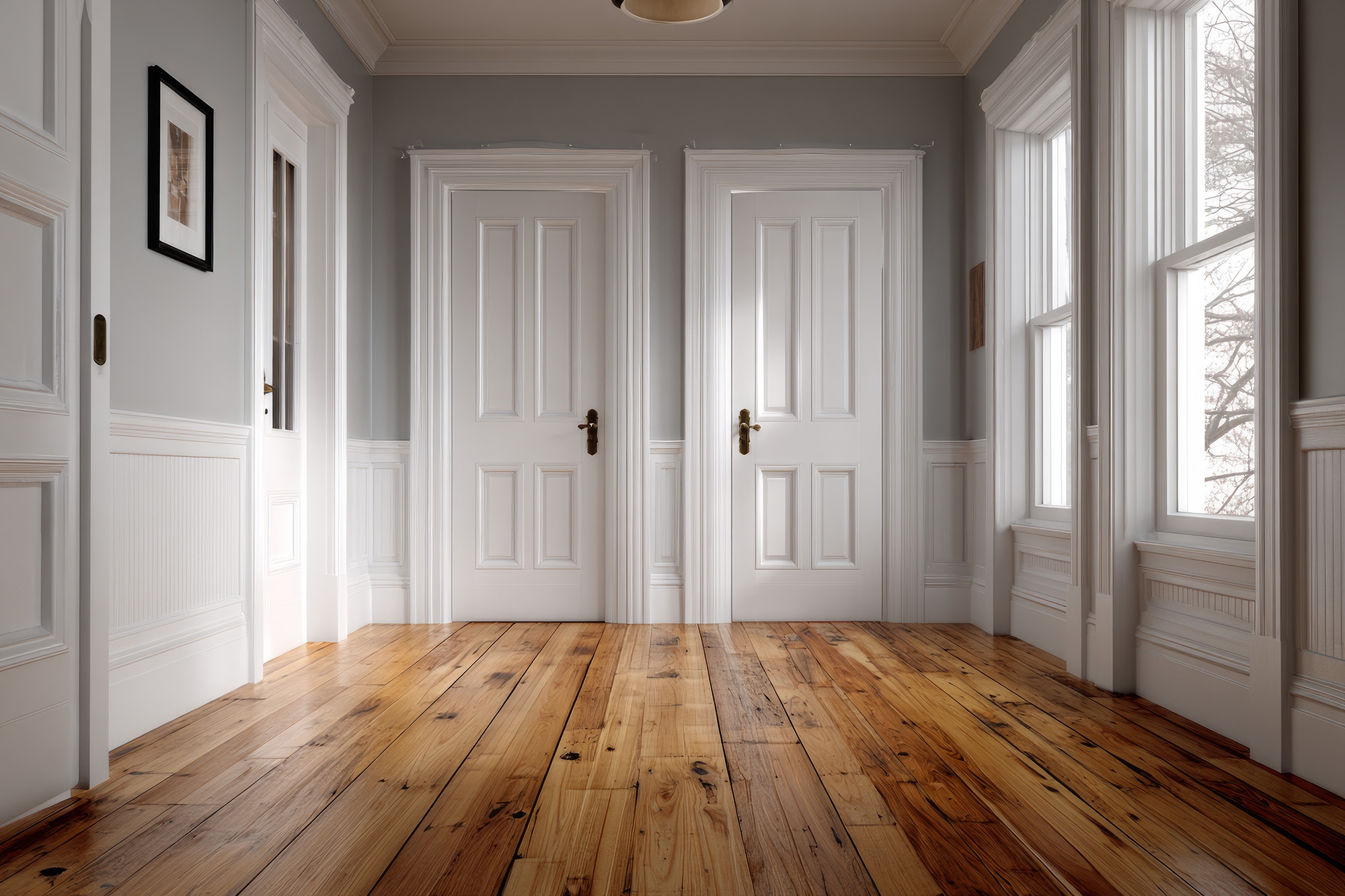
Older homes bring character that new construction simply cannot replicate. From the craftsman-style bungalows around Historic Folsom to the sprawling mid-century ranch homes in established Roseville neighborhoods like Cherry Glen and Crestmont, regional architecture is rich with architectural detail.
When updating an established home, the biggest challenge isn't finding great materials—it’s finding flooring that respects original period detail while standing up to active, modern life.
Striking the balance between period-accurate character and long-term performance comes down to choosing materials engineered for durability while honoring classic aesthetic roots.
Respecting the Architecture: Matching Flooring to Neighborhood Style
Every era of Northern California architecture has its own structural personality and material palette. Choosing the right floor starts with identifying the original intent of your home’s design.
Craftsman Bungalows & Victorian Era Homes
Common in Historic Folsom and Old Roseville
Classic Craftsman and late-Victorian homes rely heavily on warm, natural materials, rich wood grains, and intricate layout patterns.
Hardwood Species: Medium-to-dark tones in Oak, Hickory, or Walnut fit the deep woodwork typical of these homes.
Plank Widths: Stick to traditional narrow-to-medium plank widths (2 ¼ inches to 4 inches) to preserve historical proportions.
Patterned Tile: For entryways, mudrooms, and bathrooms, classic mosaic tile layouts—such as small hex tiles, basketweave patterns, or subtle checkerboard layouts—add vintage character without clashing with neighboring spaces.
Mid-Century Ranch & California Modern Homes
Common in Central Roseville, Orangevale, and Foothill Neighborhoods
Mid-century design prioritizes clean sightlines, horizontal flow, and a strong connection between indoor and outdoor spaces.
Hardwood Style: Light-to-medium white oak with low-gloss or matte finishes keeps spaces bright and airy while honoring the warm minimalist vibe of the 1950s and 60s.
Tile Selection: Large-format porcelain tile, terrazzo-inspired patterns, or clean geometric stone layouts complement low-slung profiles and open layout floor plans.
3 Modern Flooring Solutions That Preserve Historical Aesthetics
Preserving historic style doesn't mean living with squeaky, high-maintenance surfaces. Today's flooring manufacturing offers high-durability options designed specifically to mirror historical visuals.
1. Engineered Hardwood: Real Wood Grain with Enhanced Stability
Original solid hardwood floors are susceptible to expansion, contraction, and gapping—especially in older homes where subfloors may lack modern vapor barriers or climate sealing.
Why it works: Engineered hardwood features a real wood veneer atop a multi-layer core designed to withstand moisture fluctuations and subfloor movement.
The Look: Wire-brushed finishes, hand-scraped textures, and matte protective coatings mimic aged, character-grade wood while resisting surface scratches.
2. Luxury Vinyl Plank (LVP): Authentic Wood Visuals with 100% Waterproof Defense
For high-traffic main floors, kitchens, and homes with pets or busy families, rigid-core Luxury Vinyl Plank (LVP) provides an ideal alternative to delicate vintage surfaces.
Why it works: Modern LVP features high-definition embossed graining that aligns directly with the visual texture, making it virtually indistinguishable from natural timber once installed.
The Look: Choose wide-plank oak or walnut tones with bevel-edged borders to achieve a authentic hardwood look in areas exposed to spill risks, like kitchens and laundry rooms.
3. Decorative Porcelain Tile: Classic Layouts, Superior Strength
Vintage mosaic tiles or encaustic cement floor tiles in older bathrooms can crack over time and require constant grout sealing. Modern porcelain tile solves both problems.
Why it works: Porcelain is denser, less porous, and significantly more stain- and chip-resistant than historic encaustic tiles or natural stone.
The Look: Choose historical floor patterns—such as pinwheel, herringbone, or octagonal tile with contrast dots—in durable porcelain for a period-accurate look that cleans easily.
Key Installation Considerations for Older Homes
Installing new floors in older structures requires specialized prep work to guarantee a flat, quiet finish:
Common Older Home Challenge | Professional Solution | Long-Term Benefit |
Uneven Subfloors & Settling | Self-leveling underlayment or subfloor grinding prior to installation. | Prevents floor plank bounce, joint separation, and premature wear. |
Moisture Vulnerability | High-grade vapor barriers and acoustic underlayments applied below planking. | Protects wood from subfloor humidity and reduces sound transfer between levels. |
Transitioning Between Rooms | Custom-milled wood reducers, flush T-moldings, or metal accent strips. | Ensures smooth, trip-free transitions between original and updated flooring. |
Bring Your Dream Project to Life
Updating an older home is about preserving its story while making it comfortable for everyday living. Whether you are restoring a historic property near Blue Ravine or updating a mid-century layout on Douglas Boulevard, selecting the right material ensures your floors look original to the home while delivering worry-free performance.
Visit one of our local showrooms in Folsom or Roseville to explore samples, test textures, and consult with a project specialist on bringing your vision to life.


