

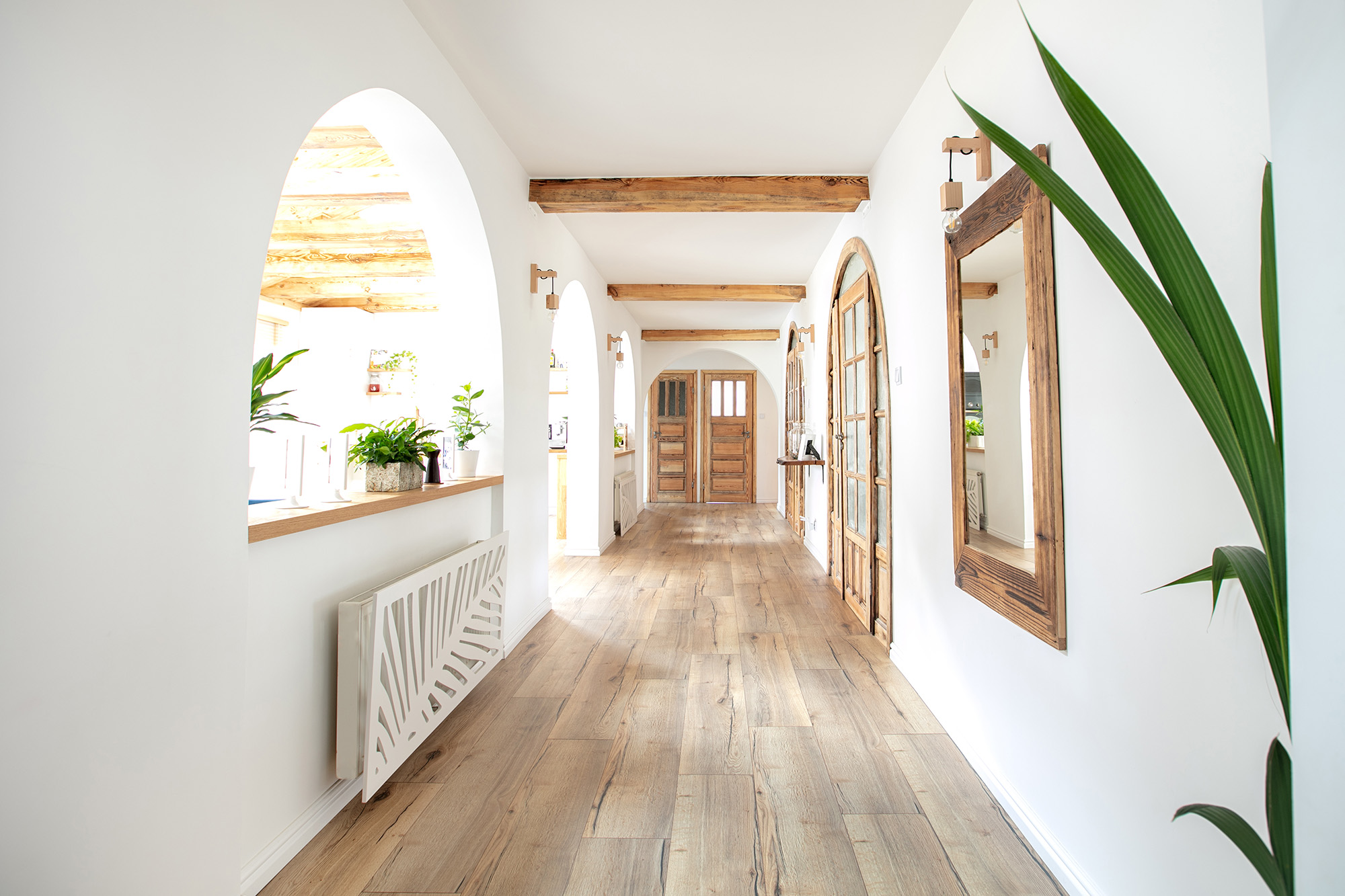
Flooring is often treated as the background of a room, but it can play a much more expressive role in interior design. Tile, in particular, offers opportunities to introduce pattern, movement, texture, and visual detail without relying on bold wall colors or decorative accessories. A thoughtfully chosen tile layout can turn an ordinary entryway into a welcoming feature or give a living space a more distinctive identity.
For homeowners planning a renovation, the choice is no longer limited to selecting a tile color and arranging every piece in a standard grid. Different formats, patterns, surface finishes, and grout combinations can create very different results, even when the same basic material is used. The challenge is finding a design that adds personality while remaining appropriate for the proportions and everyday demands of the room.
From subtle geometric layouts to natural stone-inspired surfaces, tile flooring can help homeowners in Folsom and Roseville create interiors that feel considered, personal, and connected to the rest of the home.
Why Tile Patterns Can Change the Character of a Room
The arrangement of a tile floor influences how the eye moves through a space. A conventional straight-lay pattern creates a clean and orderly appearance, allowing the color and texture of the tile to take priority. More decorative layouts introduce a stronger sense of movement and can make the floor an important part of the room's visual identity.
This does not mean that every room needs an elaborate pattern. In some interiors, a simple layout is the most effective choice because it allows cabinetry, furniture, and architectural details to stand out. In other spaces, a carefully selected pattern can provide the character that a plain surface might lack.
Entryways are particularly suitable for a more deliberate flooring design. They are among the first areas visitors see, and they often have a distinct shape or boundary that can be used to frame a tile layout. A patterned floor can create a sense of arrival while also establishing a material palette that continues into the rest of the home.
Straight-Lay Tile for a Clean and Timeless Foundation
The straight-lay pattern remains one of the most versatile tile layouts. Tiles are arranged in aligned rows and columns, creating a structured appearance that works with both contemporary and traditional interiors. Its simplicity makes it suitable for homeowners who want the floor to feel refined without becoming the main decorative feature.
This layout works especially well with large-format tile, where fewer grout joints can help create a more continuous surface. It can also be used with smaller formats when a more traditional grid is desired.
Color and texture become especially important when using a straightforward pattern. A stone-inspired tile with subtle movement can provide visual interest without needing an elaborate arrangement. A matte finish and a coordinated grout color can create a calm appearance, while a contrasting grout can make the geometry more noticeable.
Straight-lay tile is also a useful starting point for coordinating different areas of a home. It can provide a consistent design language between an entryway, kitchen, and adjoining spaces, provided the selected tile is suitable for each location.
Diagonal Layouts for a Different Sense of Space
A diagonal tile layout positions the tile pattern at an angle to the walls rather than following the room's usual horizontal and vertical lines. This simple change can make a familiar tile feel more dynamic and can draw the eye across the floor.
Diagonal layouts may be useful in rooms where the shape or proportions make a standard grid feel too rigid. The angled pattern can create movement and provide a different visual experience as someone enters the space.
However, the pattern usually requires more cuts around the perimeter of the room. This can increase installation complexity and material waste, depending on the dimensions and layout. It is important to plan the design before installation so that the tile placement looks balanced around doorways, corners, and fixed features.
A diagonal pattern is often most effective when the tile itself is relatively understated. If the surface already contains a bold pattern or strong color variation, adding a more active layout may create too much visual movement.
Herringbone and Offset Patterns for Added Movement
Herringbone is a recognizable pattern in which rectangular tiles are arranged in alternating directions to create a continuous zigzag effect. It has a strong visual identity and can bring a sense of craftsmanship to an entryway, kitchen, or other carefully selected area.
The pattern works with a variety of tile appearances, including wood-look designs and stone-inspired finishes. A subtle neutral tile can make the layout feel elegant and understated, while a more contrasting combination can turn the floor into a prominent design feature.
An offset layout, sometimes referred to as a running-bond pattern, places each row slightly out of alignment with the one before it. It is commonly associated with brickwork and can provide a more relaxed alternative to a traditional grid. The amount of offset should follow the tile manufacturer's guidance, particularly when working with longer rectangular tiles, to help manage potential lippage.
Both patterns benefit from careful planning. The installer should consider the room's dimensions, the tile size, the position of the starting line, and the cuts around the edges. A layout that looks attractive on a small sample board may need adjustments to work well across an entire floor.
Using Geometric Tile to Create an Entryway Feature
An entryway can be an ideal place to introduce a distinctive tile design. Because it often occupies a smaller area than a living room or kitchen, homeowners may be able to use a more expressive pattern without overwhelming the overall interior.
Geometric designs can range from simple repeating shapes to more detailed arrangements. A monochromatic pattern can provide character while keeping the color palette restrained. Alternatively, a combination of warm neutrals and darker accents can create a stronger focal point.
One way to make a patterned entryway feel connected to the rest of the home is to repeat one of its colors elsewhere. The same shade might appear in a hallway runner, decorative accessories, cabinetry hardware, or nearby wall details. This creates a visual relationship between the floor and the surrounding interior.
It is important to consider the practical demands of the entrance. The selected tile should be suitable for floor use and appropriate for the amount of traffic and moisture it may encounter. A surface that looks beautiful but is difficult to maintain may not be the best choice for a busy household entrance.
Wood-Look Tile: Combining Natural Style With a Tile Surface
Wood-look tile offers another way to introduce pattern and texture into a home. These products are designed to recreate the appearance of wood grain while retaining the characteristics of the tile material. Rectangular plank formats can be installed in straight, offset, or herringbone arrangements, depending on the product and the desired effect.
This can be particularly useful in areas where homeowners like the visual warmth of wood but prefer a tile surface. Kitchens, entryways, and other spaces with regular exposure to moisture may be locations where a suitable tile product is worth considering.
Not every wood-look tile is identical. Some designs feature pronounced knots and grain patterns, while others have a quieter appearance inspired by natural oak or lighter timber. Plank length, surface texture, and color variation all influence how convincing the finished floor looks.
When planning a wood-look tile installation, the layout should avoid an overly repetitive appearance. The installer should work with the product's recommended pattern and joint requirements, using the variation between individual tiles to create a more natural-looking result.
Choosing Grout That Supports the Design
Grout is an important part of a patterned tile floor. It can either blend into the surface or emphasize the shape of each tile. A grout color close to the tile creates a quieter, more unified appearance. A contrasting shade makes the layout more prominent and highlights the geometry.
For a decorative entryway, a slightly contrasting grout may help define the pattern. For a large-format floor intended to feel continuous, a coordinated grout color can reduce visual interruption. The choice should also consider maintenance, since some grout colors may show dirt or discoloration more readily than others.
Joint width and grout selection should follow the tile manufacturer's recommendations and the installation system being used. A visually minimal joint is not the same as having no joint at all. Proper spacing helps accommodate tile variation and supports an appropriate installation.
Balancing Pattern With Furniture and Interior Finishes
A patterned floor should be considered alongside the other materials in the room. If the flooring has a strong geometric design, simpler furniture and quieter wall finishes can help maintain balance. If the room already contains patterned upholstery, detailed cabinetry, or prominent decorative features, a more understated tile may be a better choice.
In an entryway, the floor may be the main feature, with a simple console table, mirror, or wall lighting providing supporting details. In a larger living area, furniture placement and area rugs can help define zones without hiding the entire tile design.
Color coordination is equally important. Warm neutral tiles can complement wood furniture and natural fabrics, while cooler stone-inspired shades may suit interiors with cleaner lines and more contemporary finishes. The best combinations are usually those that create contrast without introducing too many competing colors.
Planning the Installation Before Choosing the Pattern
Decorative tile layouts require more than selecting a pattern from a photograph. The room should be measured, the substrate assessed, and the layout planned around doorways, walls, and adjoining flooring. These details help determine how the pattern will begin and end, where cuts will fall, and whether the design will remain balanced.
Tile installation also depends on a suitable substrate and the correct setting materials. Large or elongated tiles may have particular requirements for surface preparation, mortar coverage, and allowable lippage. The installation should follow the product manufacturer's instructions and applicable industry practices.
Homeowners should also discuss transitions between tile and other flooring materials before work begins. Differences in thickness can affect the finished floor height, while poorly planned edges can make an otherwise attractive design feel incomplete. Addressing these details early helps create a more polished result.
Give Your Floors a More Personal Design
Tile flooring offers plenty of ways to make an interior feel distinctive without relying on complicated decoration. A simple grid can create a timeless foundation, while diagonal, herringbone, offset, and geometric patterns introduce movement and character. The right approach depends on the room's proportions, the tile's appearance, the surrounding finishes, and the practical demands of the space.
Explore the available tile flooring styles to consider the colors, formats, and finishes that could work in your home. To discuss your renovation and the possibilities for your space, visit Designing Dreams Flooring & Remodeling's contact page.
Whether you are creating a more welcoming entryway in Folsom or adding character to a living space in Roseville, a well-planned tile floor can become an integral part of your home's design. By balancing pattern, material, and installation details, you can create a floor that feels distinctive while remaining practical for everyday life.


